How to Select Industrial Plug Socket, Metal Socket Box, PVC Socket Board, Power Distribution Board & Customized Electrical Distribution Board
Learn how to select the right Industrial Plug & Socket, Metal Socket Box, PVC Socket Board, Power Distribution Board and Customized Electrical Distribution Board based on current rating, voltage, IP rating, material, protection, wiring, safety and application requirements.
How to Select Industrial Plug Socket, Metal Socket Box, PVC Socket Board, Power Distribution Board & Customized Electrical Distribution Board
Choosing the correct industrial electrical product is an important part of designing a safe, reliable and efficient electrical installation.
Whether you are looking for an Industrial Plug & Socket, Metal Socket Box, PVC Socket Board, Power Distribution Board or Customized Electrical Distribution Board, the product should be selected according to the actual electrical load, application, environment, protection requirements and installation conditions.
Many buyers focus only on price, current rating or appearance. However, a professional selection process should consider several parameters together.
This guide explains the most important factors to consider before selecting industrial electrical products.
1. How to Select an Industrial Plug & Socket?
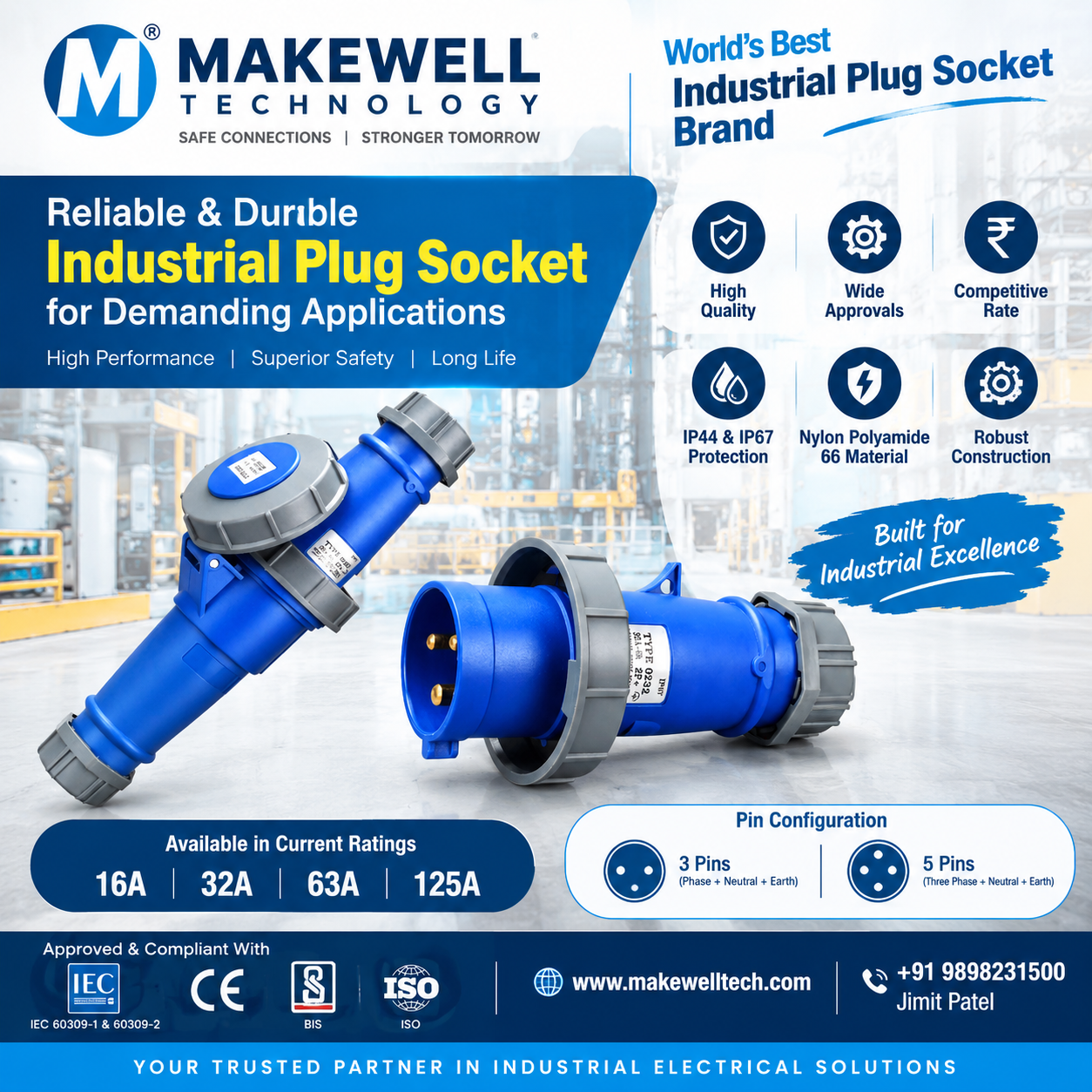
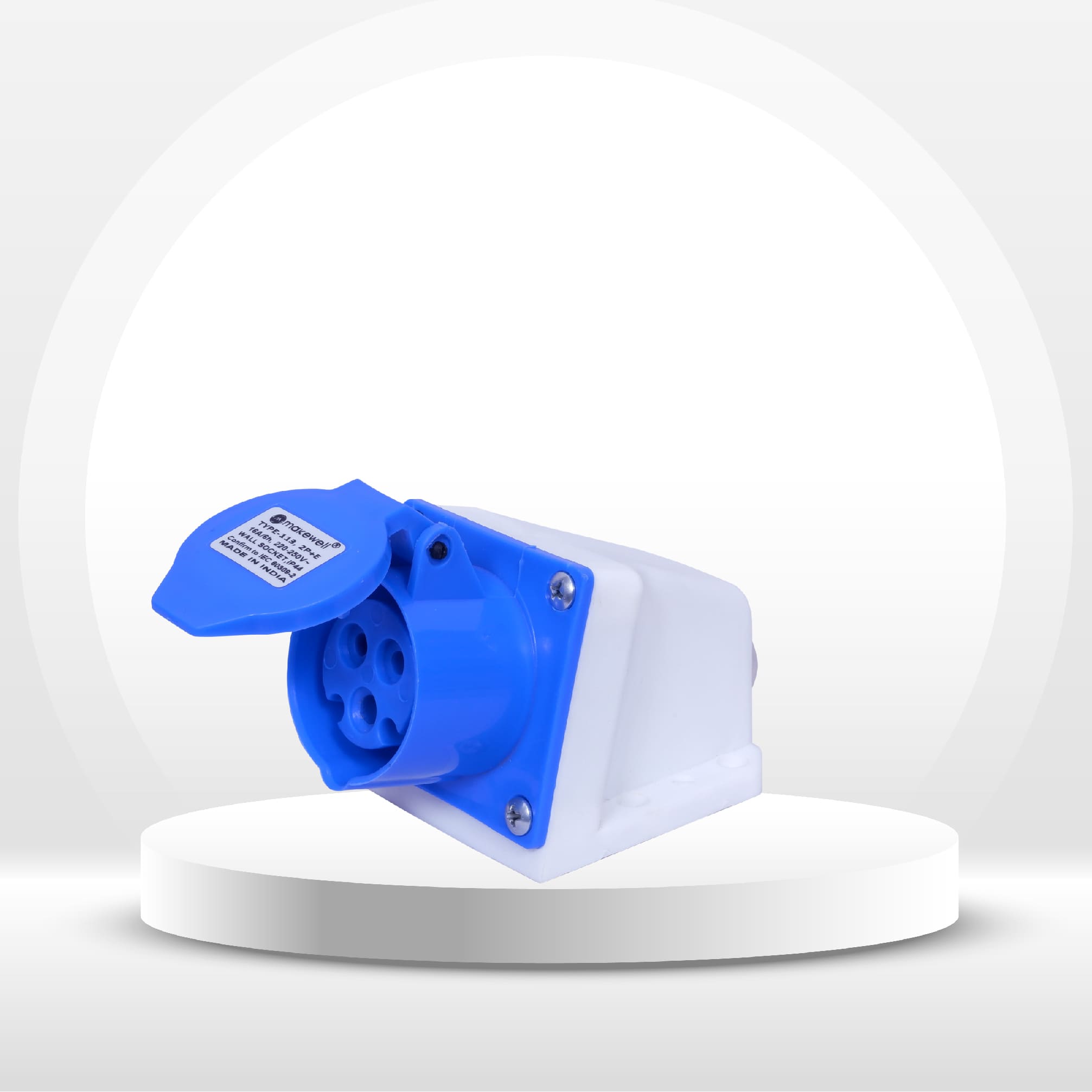
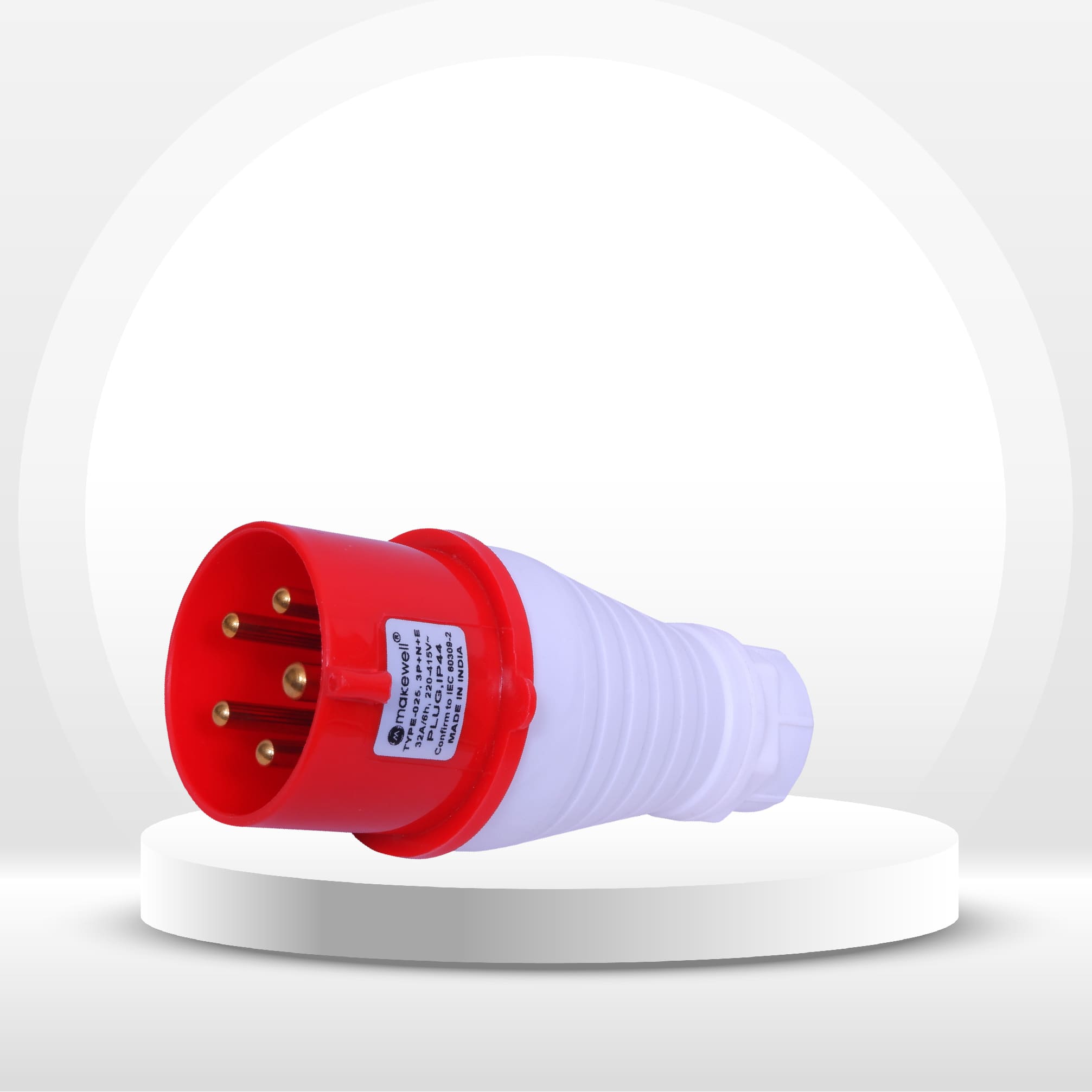
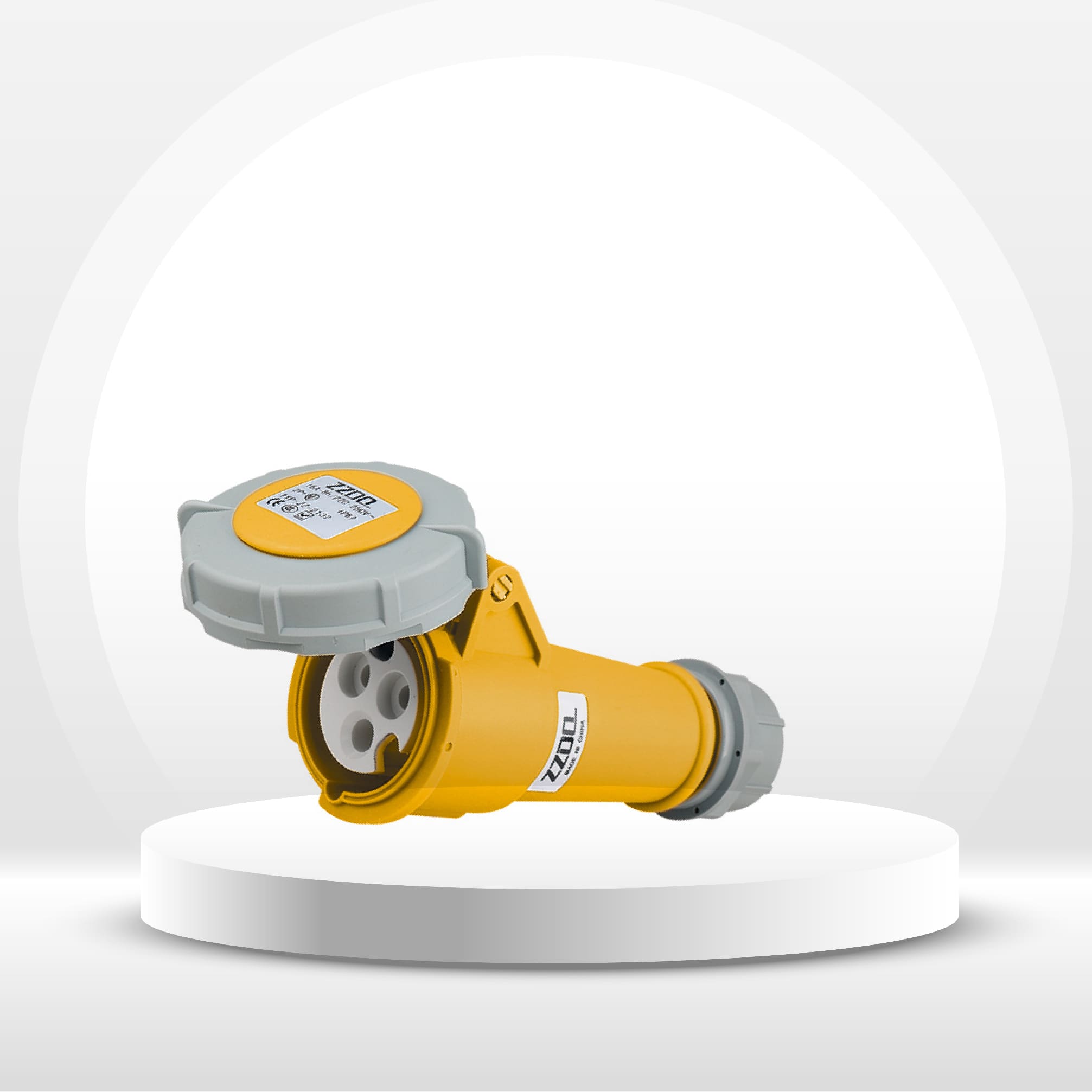
Industrial plugs and sockets are widely used for connecting machines, industrial equipment, construction equipment, workshops, factories, temporary power systems and other electrical applications.
Current Rating
The first parameter to determine is the required current rating.
Common industrial plug and socket ratings include:
16A
32A
63A
125A
The selected current rating should correspond to the electrical load and the overall electrical system design.
The plug, socket, cable, protective device and connected equipment should be appropriately matched.
Pin Configuration
Industrial plugs and sockets are available in different configurations, including:
3 Pin
4 Pin
5 Pin
The appropriate configuration depends on the electrical system and whether the installation requires phase, neutral and protective earth connections.
Voltage and Frequency
Always verify:
Rated voltage
Operating voltage
Frequency
Number of phases
The selected plug and socket should be suitable for the electrical supply and connected equipment.
IP Rating
The IP rating is an important consideration, particularly in industrial and outdoor applications.
For example, IP44 and IP67 provide different levels of protection.
The required IP rating should be selected according to the actual environment, including exposure to dust, water, moisture and other external conditions.
For demanding applications, a higher protection level may be required.
Material Quality
The material of the plug and socket affects mechanical strength, insulation performance and service life.
Evaluate:
Enclosure material
Insulation material
Pin material
Contact material
Mechanical strength
Heat resistance
Environmental suitability
For industrial applications, using appropriate quality material is important for consistent performance.
Cable Gland and Wire Tightening
The cable entry system should also be considered.
A suitable gland and wire-tightening arrangement can provide:
Cable retention
Mechanical protection
Better termination
Appropriate enclosure protection
The gland should be compatible with the cable diameter and product design.
Standards and Approvals
Before purchasing an industrial plug or socket, verify the applicable standards and approvals required for the intended application.
2. How to Select a Metal Socket Box?
Metal socket boxes are commonly used where additional mechanical strength and robust enclosure construction are required.
Sheet Thickness
Check the sheet thickness and mechanical construction of the enclosure.
The box should be sufficiently strong for the intended application and installation conditions.
Surface Protection
The surface treatment should provide suitable protection against corrosion and environmental exposure.
Powder coating and other appropriate surface treatments can help protect the metal enclosure.
Earthing
A metal enclosure should have an appropriate earthing arrangement as required by the electrical installation.
This is an important safety consideration.
Cable Entry
Check:
Cable entry position
Cable gland compatibility
Available cable space
Ease of cable termination
Protection around cable entry
Mounting Space
Ensure that the box provides adequate space for:
Industrial sockets
Plugs or connectors where applicable
MCBs
RCCBs
RCBOs
Indicators
Wiring and terminals
The actual components required will depend on the application.
IP Protection
If the metal socket box is installed outdoors or in a dusty/wet industrial environment, the required IP protection should be considered carefully.
3. How to Select a PVC Socket Board?
PVC or ABS socket boards are commonly used where a lightweight, non-metallic enclosure is preferred.
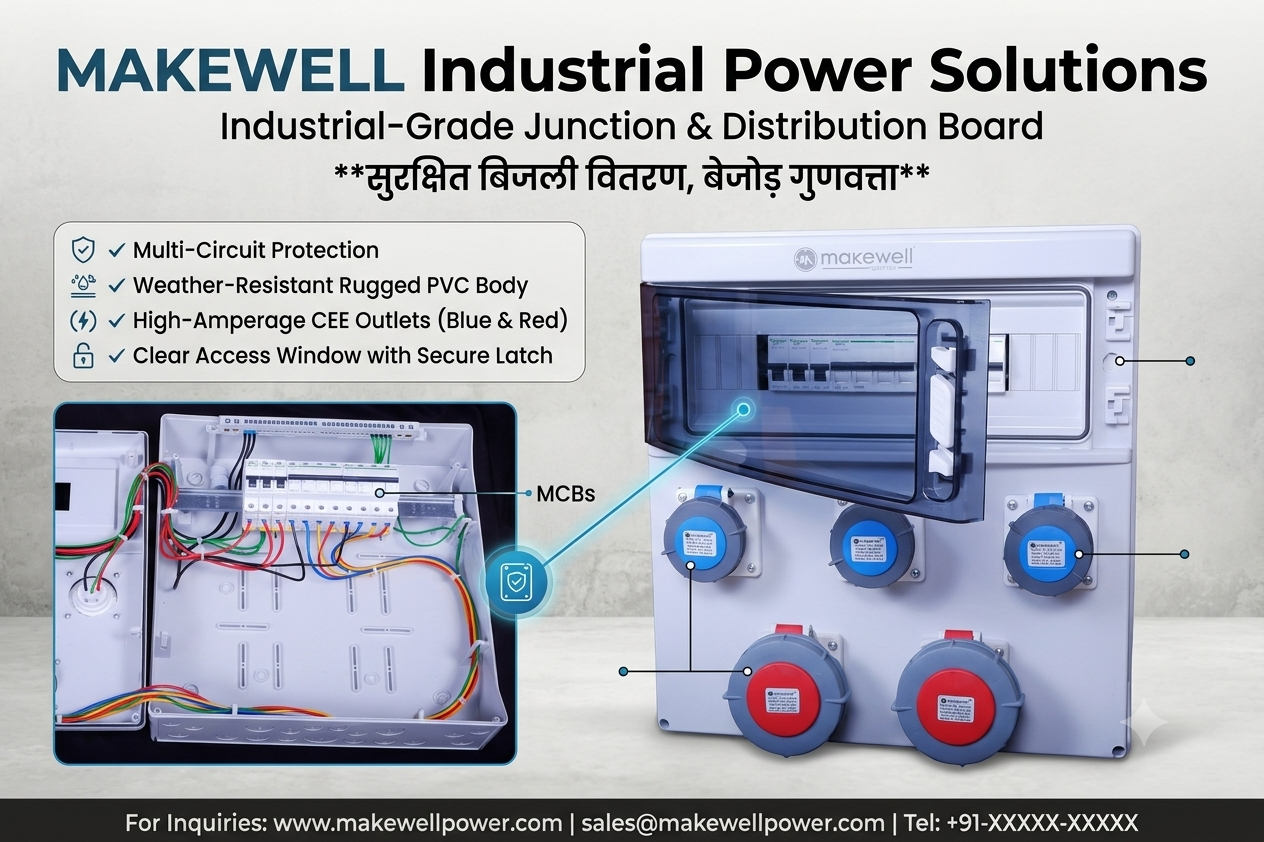
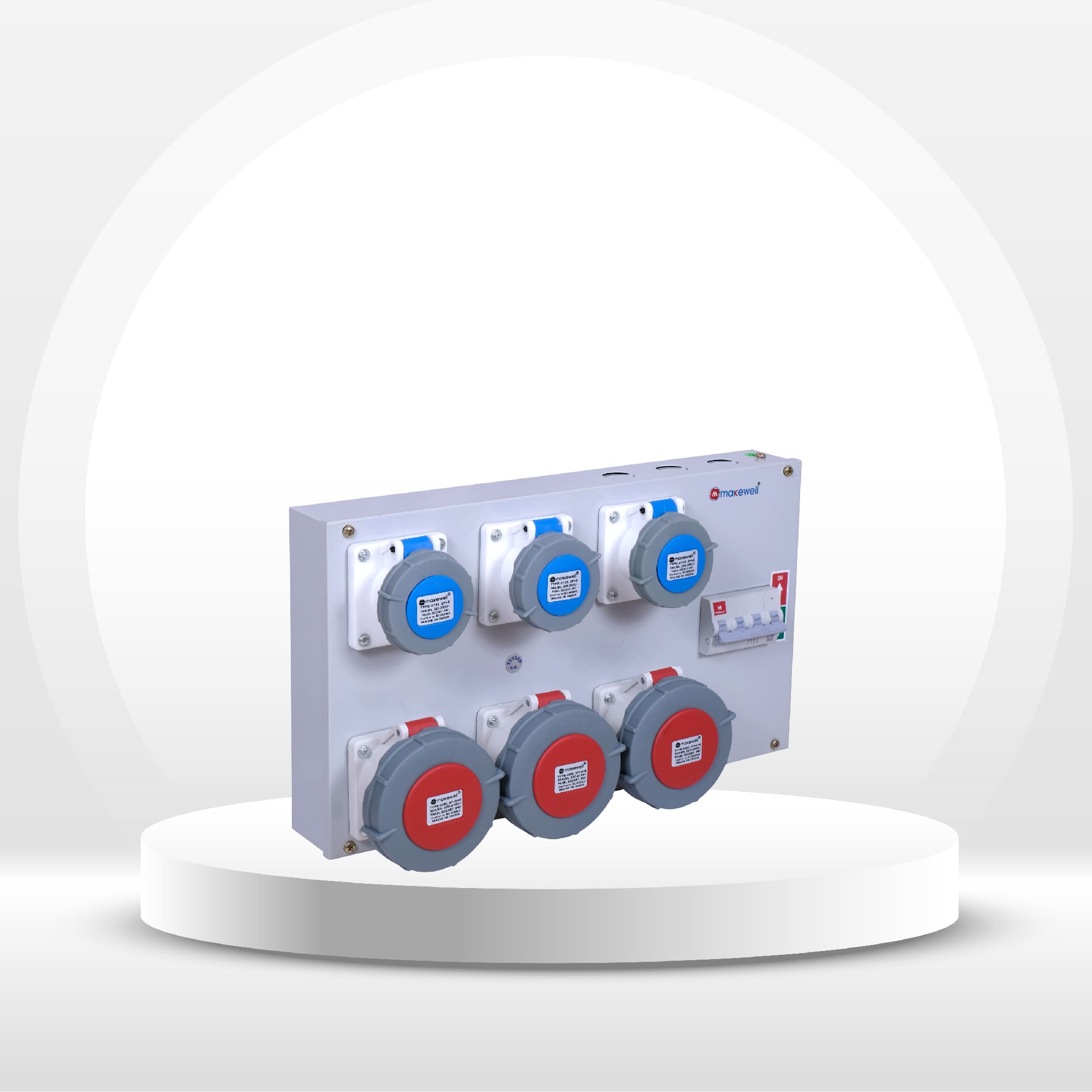
A socket board can combine industrial sockets with protective devices and internal wiring.
Enclosure Material
Check the quality and suitability of the enclosure material for the intended application.
Important factors include:
Mechanical strength
Insulation
Heat resistance
Environmental suitability
Dimensional stability
Socket Configuration
Determine:
Number of sockets
Socket current rating
Number of pins
IP rating
Required voltage
For example, a board may be configured with different combinations of 16A, 32A or higher-rated industrial sockets according to the application.
MCB, RCCB or RCBO
Depending on the electrical design, the board may require protective devices such as:
MCB
RCCB
RCBO
MCCB
The appropriate protective device and rating should be determined according to the electrical load, circuit design and applicable requirements.
DIN Rail Space
If MCBs, RCCBs or other DIN-mounted devices are used, ensure that sufficient DIN rail space is available.
Internal Wiring
A properly designed socket board should have suitable internal wiring, terminals, cable routing and connections.
Cable size and protective-device selection should be coordinated with the circuit requirements.
Earthing and Neutral
Proper earthing and neutral arrangements are essential parts of the electrical design.
The board should provide suitable provisions for the required connections.
4. How to Select a Power Distribution Board?
A Power Distribution Board distributes electrical power from an incoming supply to multiple outgoing circuits.
Before selecting a distribution board, first understand the complete electrical requirement.
Step 1 – Determine the Incoming Supply
Identify:
Single-phase or three-phase supply
Rated voltage
Incoming current
Frequency
Main isolation requirement
Step 2 – Calculate the Electrical Load
Determine the connected and expected operating loads.
This helps in selecting appropriate:
Incoming protection
Outgoing protection
Cable sizes
Busbars
Enclosure size
Step 3 – Determine the Number of Outgoing Circuits
List all loads that need separate outgoing circuits.
For example:
Machines
Motors
Lighting
Sockets
Control circuits
Auxiliary equipment
Step 4 – Select Protective Devices
Depending on the application, protective devices may include:
MCB: For overcurrent and short-circuit protection of suitable circuits.
MCCB: Commonly used for higher-current applications and main/outgoing protection where appropriate.
RCCB: Used for residual-current protection.
RCBO: Combines overcurrent and residual-current protection in a single device.
The correct rating and characteristics should be determined according to the circuit design.
Step 5 – Cable and Busbar Sizing
Cable and busbar selection should consider:
Current carrying capacity
Installation method
Temperature
Voltage drop
Short-circuit conditions
Applicable electrical requirements
Step 6 – Enclosure and IP Rating
The enclosure should provide sufficient space for all components, wiring and future requirements.
Consider:
Enclosure material
Mechanical strength
IP rating
Cable entry
Ventilation/heat considerations
Maintenance access
5. How to Select a Customized Electrical Distribution Board?
A customized distribution board is useful when a standard board does not match the actual application.
Instead of selecting a fixed configuration, the board can be designed around the customer's electrical requirements.
Important Customization Parameters
A customized board can be specified according to:
Electrical Configuration
Incoming supply
Number of phases
Total load
Number of outgoing circuits
Current ratings
Voltage requirements
Socket Configuration
Where industrial sockets are required, specify:
Number of sockets
Socket current rating
Number of pins
IP rating
Mounting type
Protection Devices
Specify the required:
MCBs
MCCBs
RCCBs
RCBOs
Surge protection devices, where applicable
Main isolator
Enclosure
Specify:
PVC/ABS or metal enclosure
Dimensions
Mounting arrangement
IP rating
Cable entry location
Available internal space
Indicators and Metering
Depending on the application, the board may include:
LED indicators
Voltage meter
Current meter
Energy meter
Other monitoring devices
Future Expansion
Always consider whether additional circuits or equipment may be added later.
Providing suitable spare space can make future modifications easier.
6. IP44 vs IP67 – What Should You Consider?
IP protection should be selected according to the actual installation environment.
IP44 and IP67 are not interchangeable simply because one has a higher number.
The required protection depends on exposure to:
Dust
Water
Moisture
Outdoor conditions
Cleaning processes
Industrial contamination
Always verify the manufacturer's specified IP performance and installation conditions.
7. Why Material Quality Matters
The enclosure and component materials can affect:
Mechanical strength
Electrical insulation
Heat resistance
Environmental durability
Service life
Overall product reliability
For industrial products, material selection should therefore be based on the application rather than appearance alone.
8. Why Cable and Protection Device Selection Matters
An industrial electrical system is made up of interconnected components.
The plug, socket, cable, MCB/RCCB/RCBO, distribution board and connected equipment should be considered as one electrical system.
For example:
Load → Cable → Protection Device → Socket → Plug → Equipment
The ratings should be appropriately coordinated.
A higher-rated socket does not automatically make an installation safer if the cable or protective device is not appropriately selected.
9. Customized vs Standard Electrical Board
A standard board can be suitable when the application matches the available configuration.
A customized board may be more suitable when the application requires:
Multiple socket combinations
Specific MCB/RCCB/RCBO configuration
Special enclosure dimensions
Specific cable entry
Additional indicators
Specific component brands
Additional spare capacity
Special mounting requirements
The choice should be based on the actual project requirements.
10. Final Industrial Electrical Product Selection Checklist
Before ordering an Industrial Plug & Socket, Metal Socket Box, PVC Socket Board or Distribution Board, check:
Electrical
☑ Application
☑ Total Load
☑ Current Rating
☑ Voltage
☑ Frequency
☑ Number of Phases
☑ Number of Circuits
Mechanical
☑ Enclosure Material
☑ Mechanical Strength
☑ Mounting Arrangement
☑ Dimensions
☑ Cable Entry
Protection
☑ IP Rating
☑ MCB/MCCB
☑ RCCB/RCBO
☑ Earthing
☑ Short-Circuit Protection
Installation
☑ Cable Size
☑ Wiring Arrangement
☑ Neutral Arrangement
☑ Earthing Arrangement
☑ Maintenance Access
☑ Future Expansion
Compliance
☑ Applicable Standards
☑ Required Approvals
☑ Product Documentation
Conclusion
Selecting the right industrial electrical product requires a complete understanding of the application, electrical load, environment and protection requirements.
Whether you need an Industrial Plug & Socket, Metal Socket Box, PVC Socket Board, Power Distribution Board or Customized Electrical Distribution Board, always evaluate the complete system rather than selecting a product only on the basis of price.
A properly specified electrical product can help support safe operation, reliable power distribution, easier maintenance and long-term performance.
MAKEWELL provides industrial electrical solutions including Industrial Plug & Socket, Metal Socket Box, PVC Socket Board, Power Distribution Board and Customized Electrical Distribution Board for different industrial applications.
Recent Posts