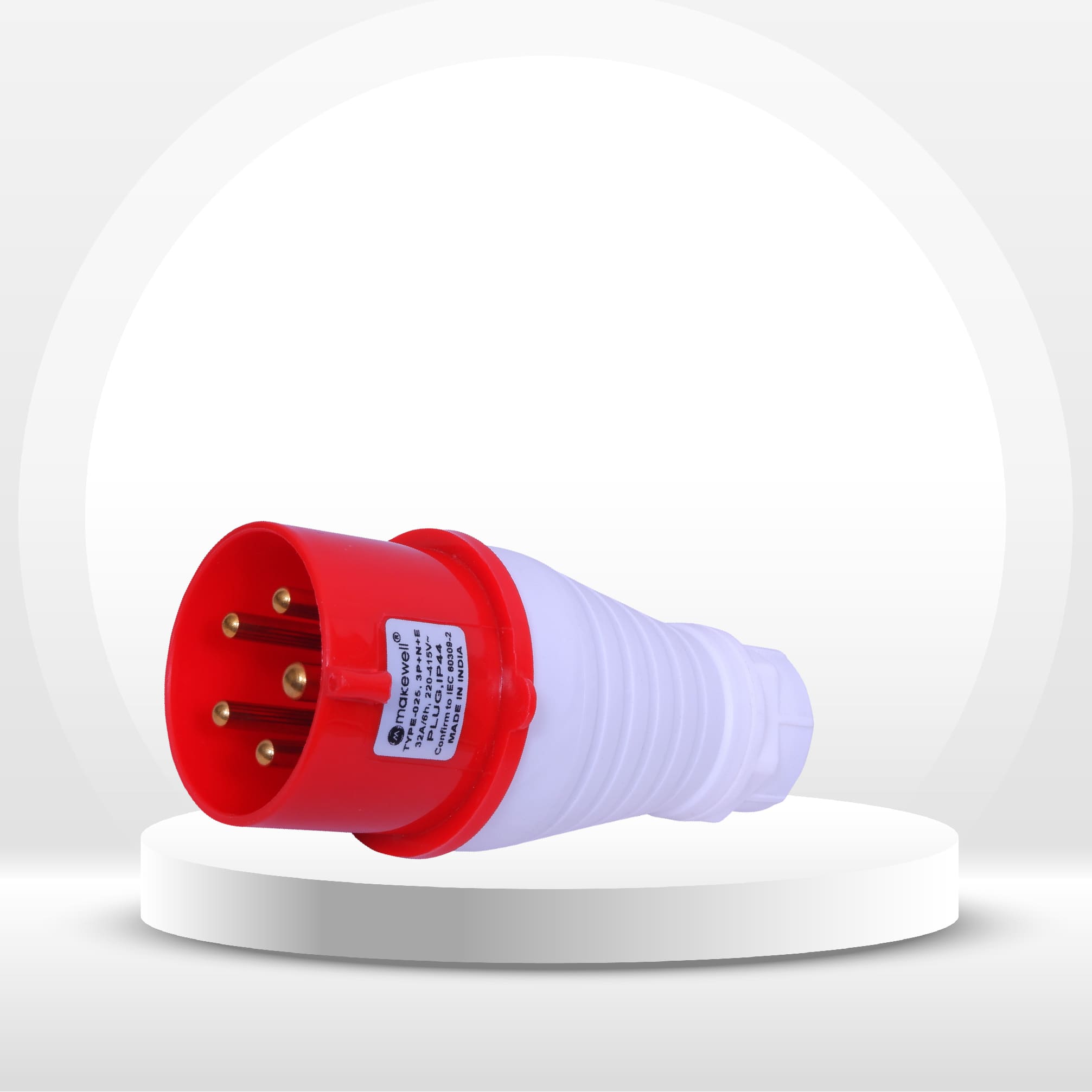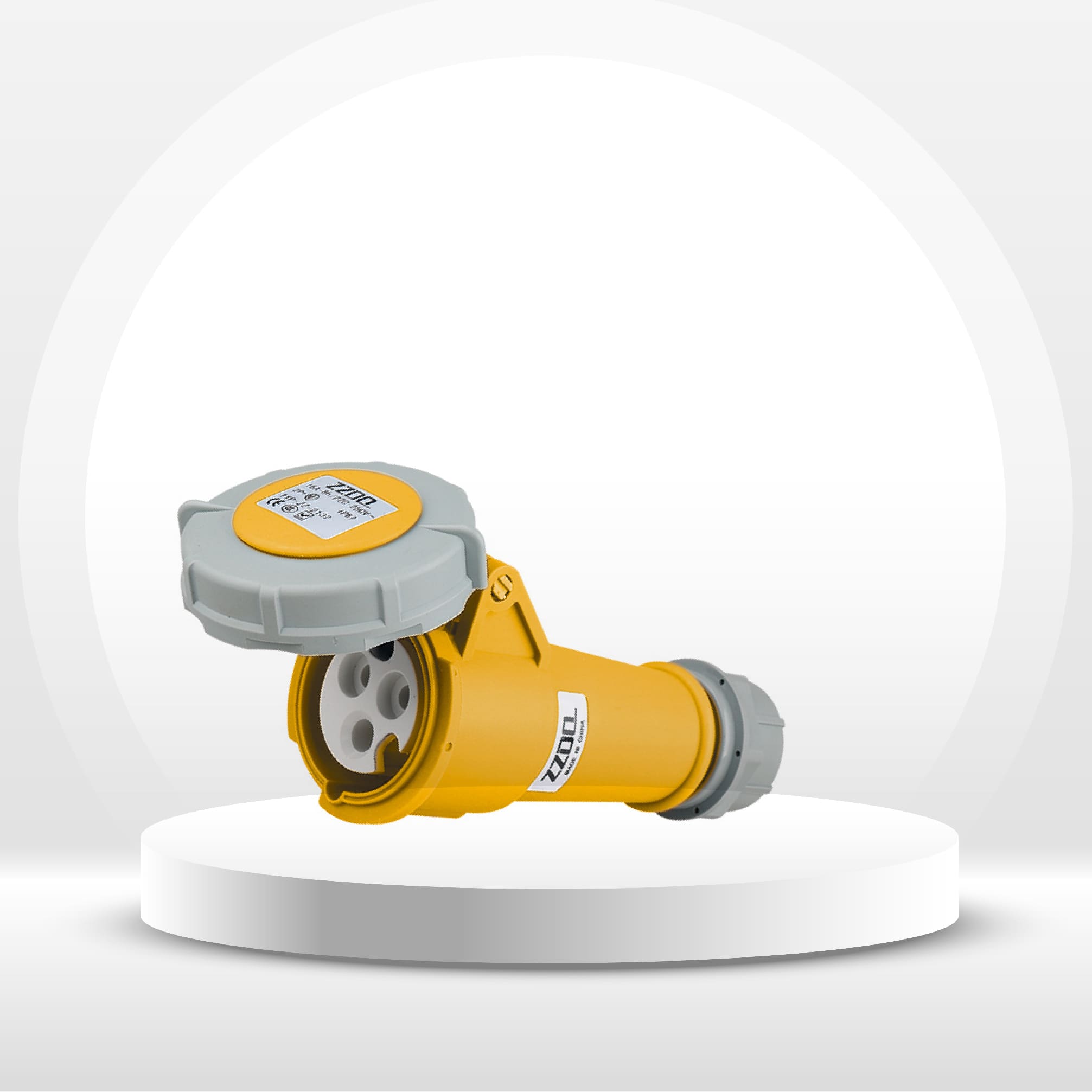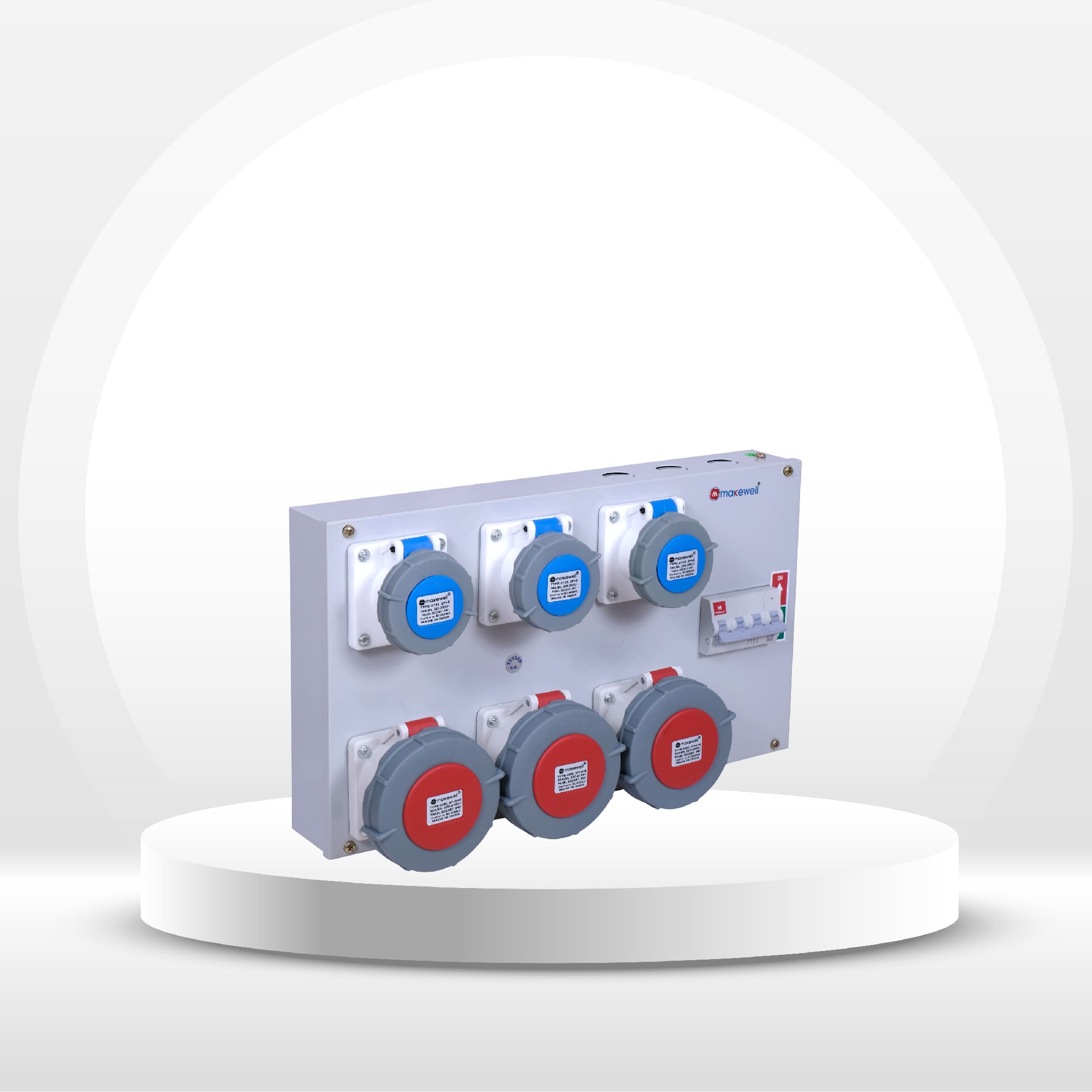
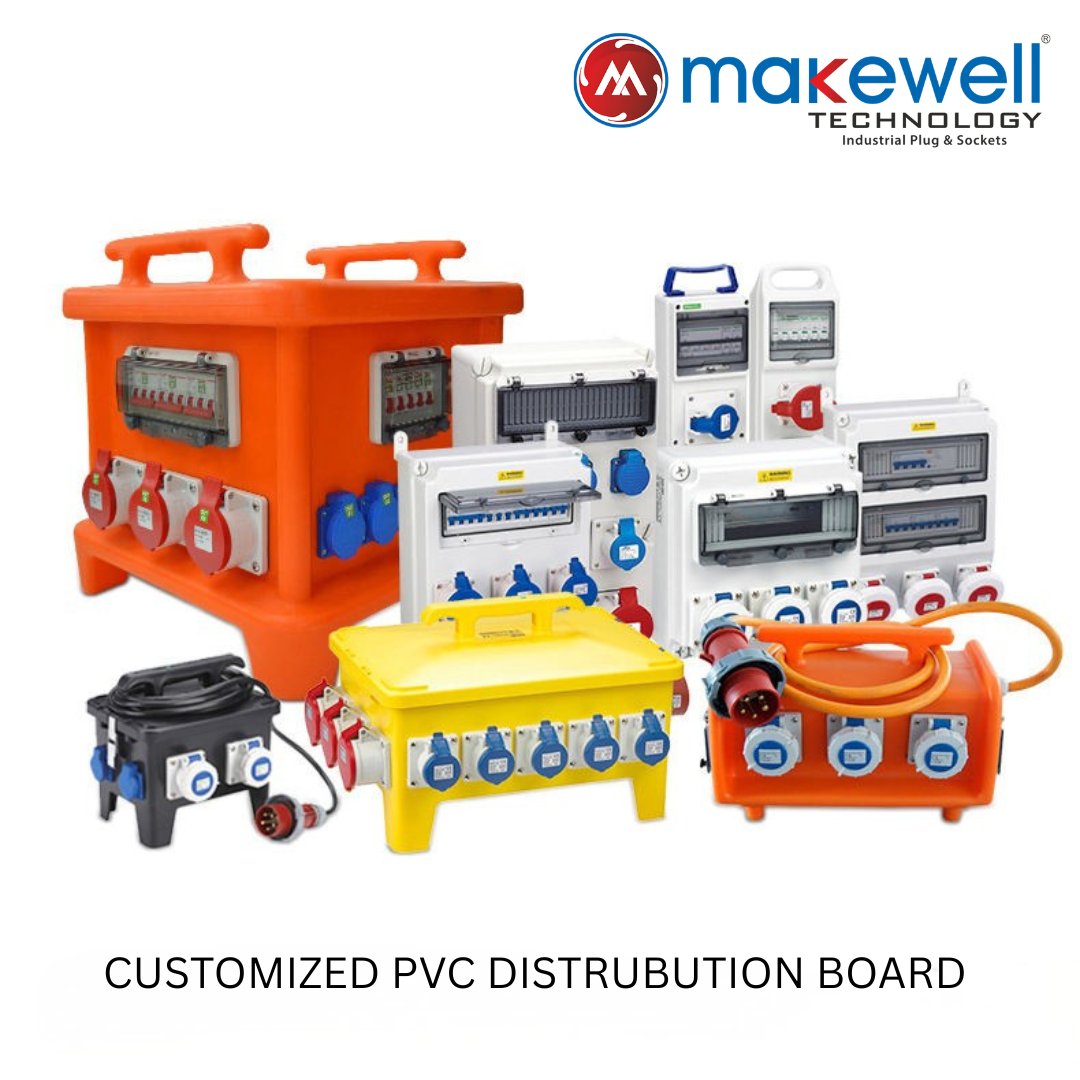
POWER DISTRIBUTION BOARD PVC WITH SOCKET AND PLUG
Discover everything you need to know about Power Distribution Board PVC with Socket and Plug, including its features, applications, safety standards, advantages, and buying tips. Learn how the right distribution board improves electrical safety, efficiency, and reliability in industrial and commercial environments.
POWER DISTRIBUTION BOARD PVC WITH SOCKET AND PLUG
A Power Distribution Board PVC with Socket and Plug is one of the most practical and reliable solutions for safely distributing electrical power in industrial, commercial, and temporary work environments. Designed using durable PVC material and equipped with industrial sockets, plugs, and protective electrical components, these distribution boards provide a convenient way to manage multiple power connections from a single source. Whether used in manufacturing facilities, construction sites, warehouses, exhibitions, workshops, or outdoor events, they ensure stable power distribution while protecting users and connected equipment.
Modern industries require electrical systems that are not only efficient but also safe, portable, and resistant to harsh environmental conditions. PVC power distribution boards meet these expectations by offering excellent insulation, corrosion resistance, lightweight construction, and compatibility with industrial plugs and sockets manufactured according to international standards such as IEC 60309. Their modular design also allows easy customization with different socket configurations, MCBs, RCCBs, indicators, and cable entry options to suit specific operational requirements.
As industries continue to focus on workplace safety and operational efficiency, selecting the right distribution board becomes increasingly important. Understanding the features, applications, safety standards, and purchasing considerations of a PVC power distribution board helps businesses make informed decisions. This guide explores every important aspect of these products, making it easier for engineers, contractors, facility managers, and industrial buyers to choose the ideal power distribution solution for their electrical installations.
What is a Power Distribution Board PVC with Socket and Plug?
A Power Distribution Board PVC with Socket and Plug is a portable or fixed electrical unit specifically designed to distribute incoming electrical power safely to multiple electrical devices through industrial sockets. Unlike conventional electrical panels that are permanently installed, these boards provide flexibility, portability, and ease of installation while maintaining high safety standards. The enclosure is manufactured using high-quality engineering-grade PVC, which offers excellent electrical insulation and resistance against moisture, dust, chemicals, and corrosion.
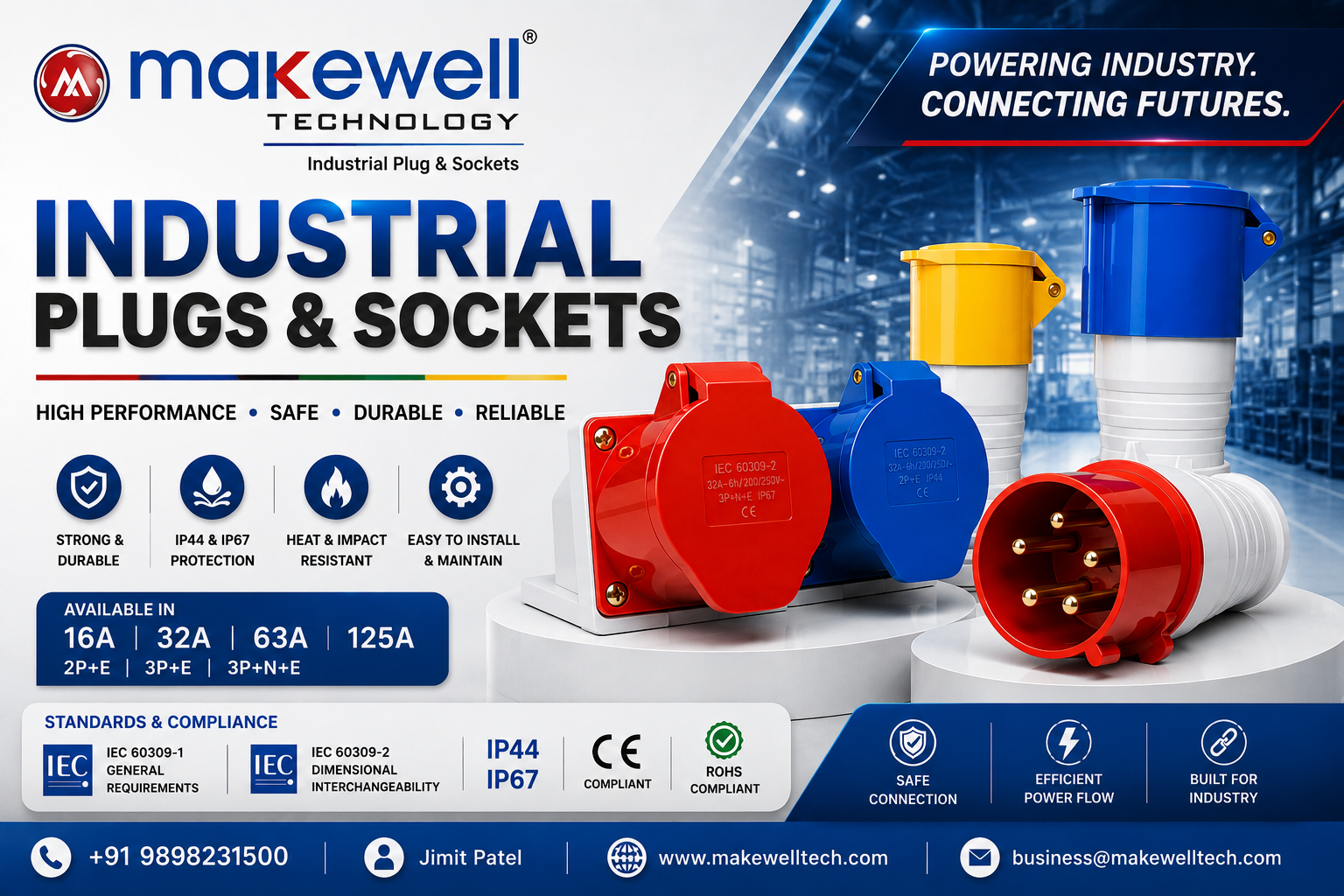
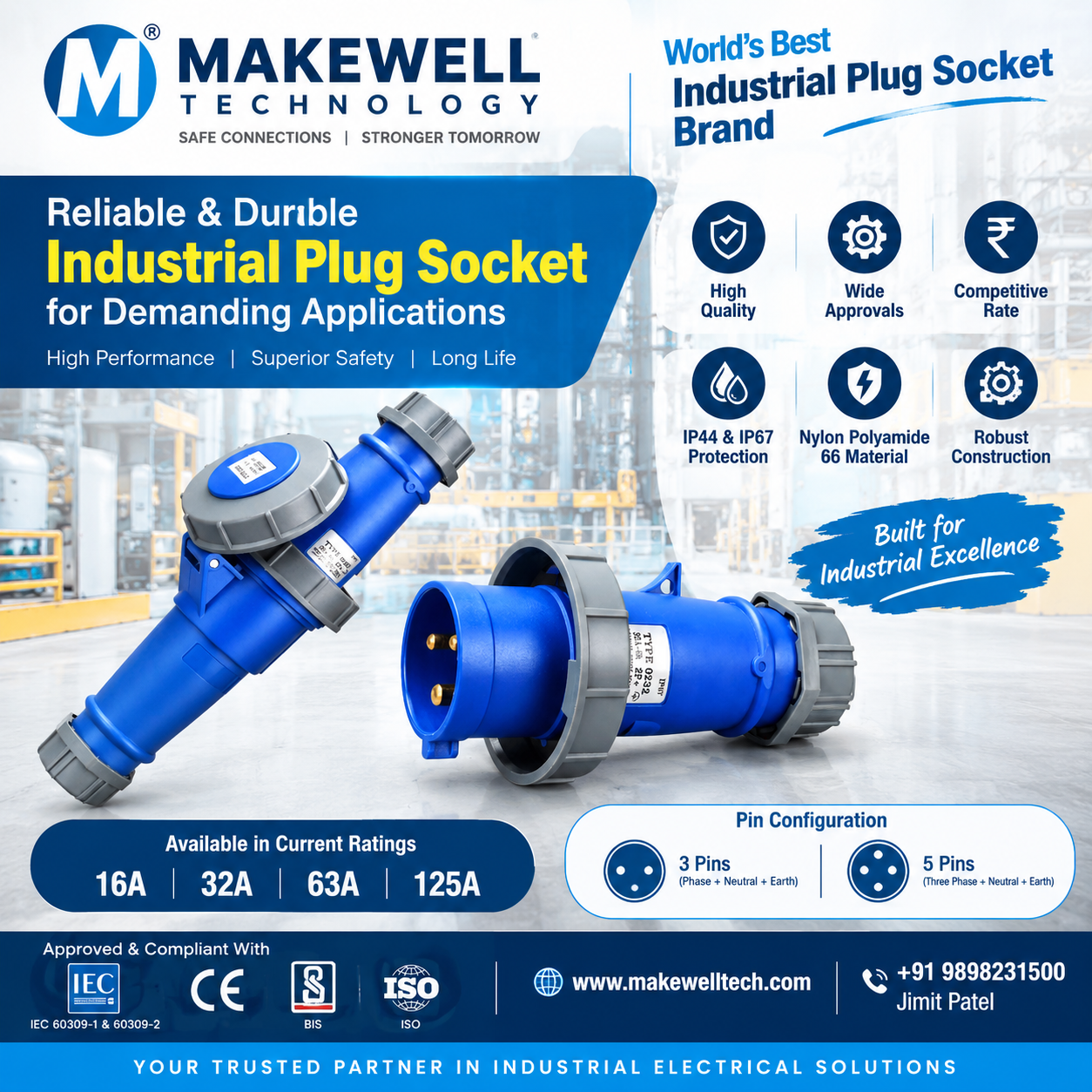
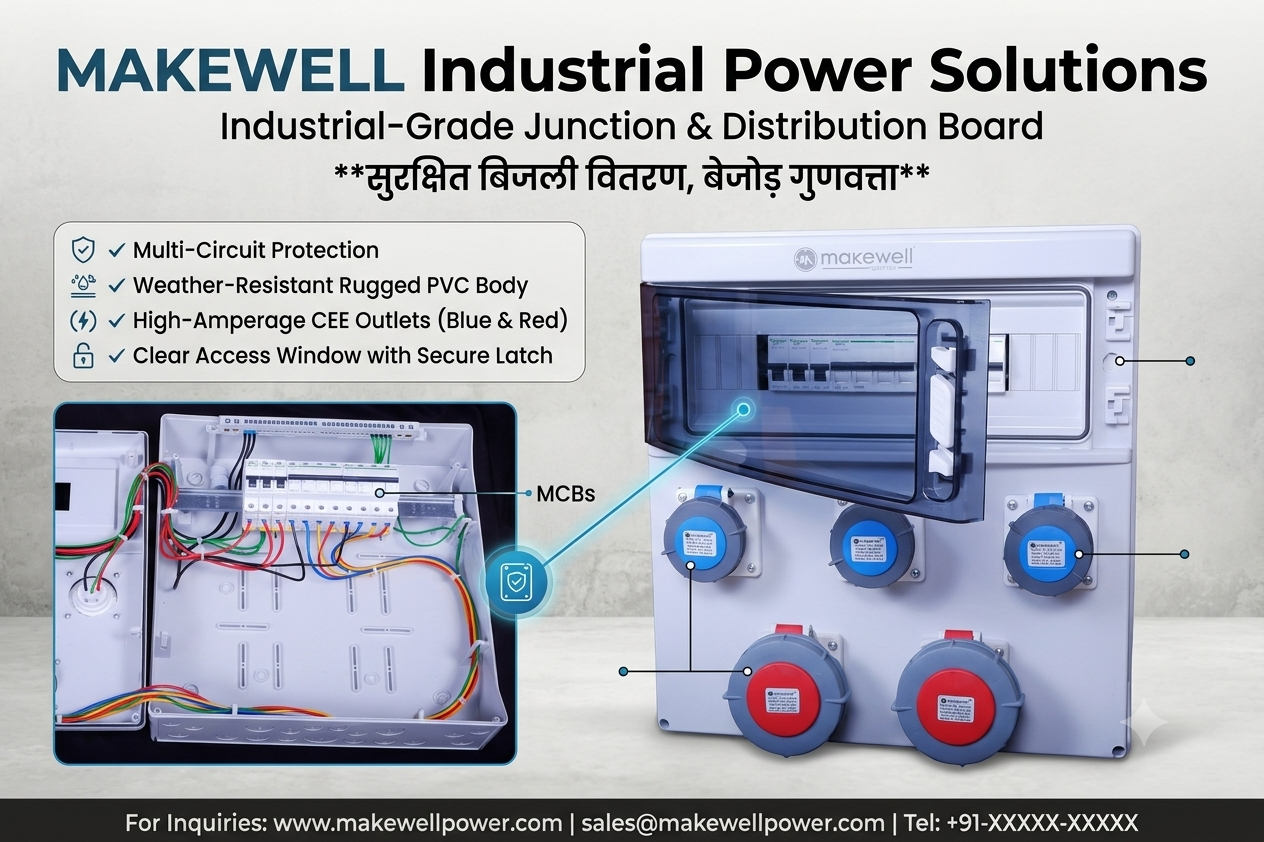
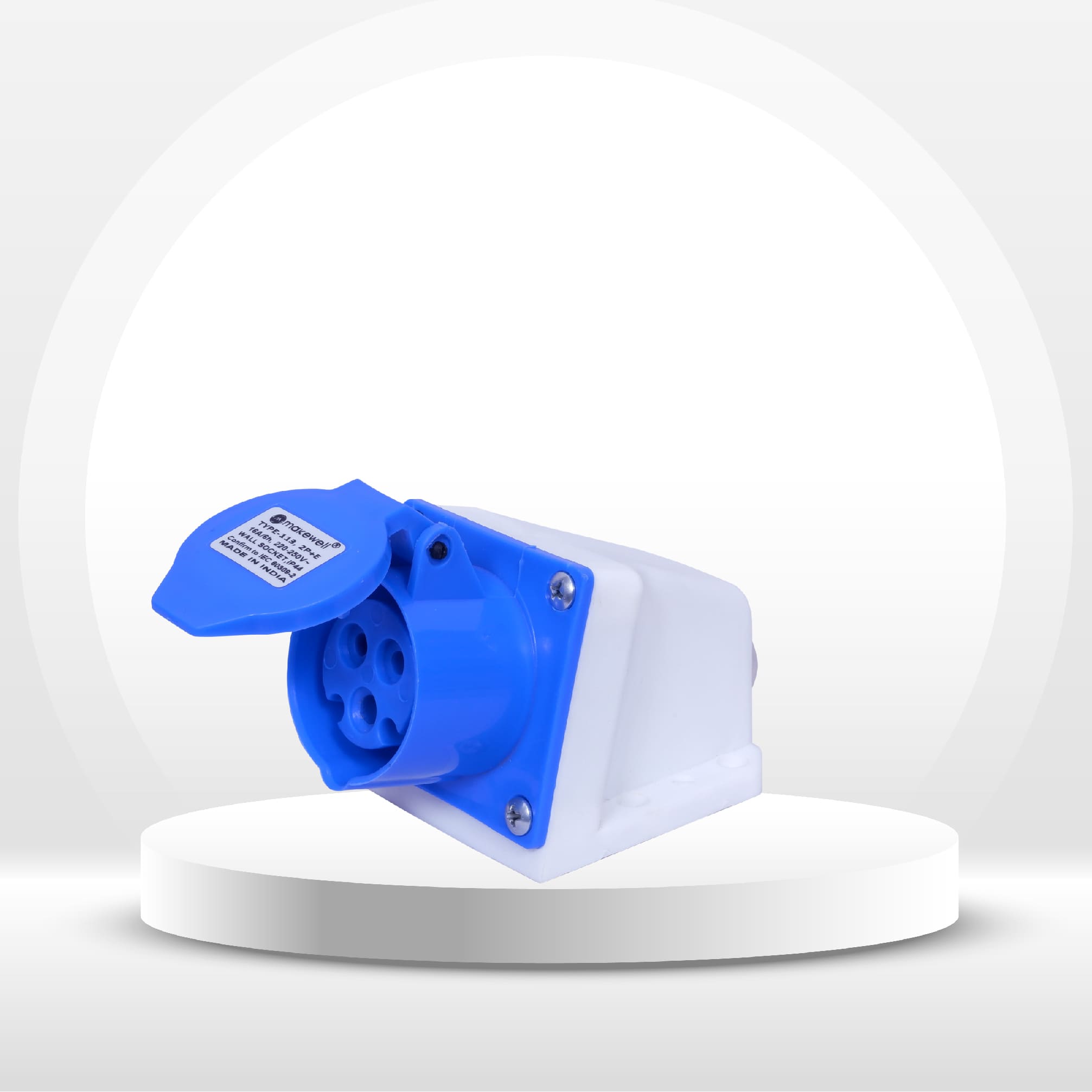
Inside the distribution board, electrical protection devices such as Miniature Circuit Breakers (MCBs), Residual Current Circuit Breakers (RCCBs), overload protection devices, busbars, wiring terminals, and indicator lamps work together to ensure reliable electrical performance. The industrial sockets and plugs are generally designed according to IEC 60309 standards, providing secure connections capable of handling different voltage and current ratings such as 16A, 32A, 63A, and 125A.
These distribution boards are widely used wherever temporary or permanent power distribution is required. Construction projects rely on portable PVC distribution boards because they can easily be relocated as work progresses. Manufacturing industries use them to power machinery on production floors, while event organizers depend on them for temporary lighting, audio systems, and stage equipment. Their lightweight construction, combined with high mechanical strength and weather resistance, makes them suitable for both indoor and outdoor environments. As electrical safety regulations become stricter, the demand for reliable PVC power distribution boards continues to grow across multiple industries.
Why PVC Material is Preferred for Power Distribution Boards
The selection of enclosure material plays a crucial role in determining the durability, safety, and long-term performance of any electrical distribution system. PVC has become one of the most preferred materials because it combines excellent electrical insulation with high resistance to environmental conditions. Unlike metal enclosures, PVC does not rust, corrode, or require regular surface treatment, making it particularly suitable for humid, chemical, and outdoor environments.
One of the biggest advantages of PVC is its lightweight nature. Electricians can easily transport, install, and relocate PVC distribution boards without requiring heavy lifting equipment. This significantly reduces installation time while lowering labor costs. Despite being lightweight, modern engineering-grade PVC offers impressive impact resistance, allowing the enclosure to withstand accidental knocks and vibrations commonly experienced in industrial environments.
PVC also provides superior insulation properties, reducing the risk of accidental electric shock. Since the enclosure itself is non-conductive, it enhances user safety even if electrical faults occur internally. Additionally, PVC demonstrates excellent resistance to ultraviolet radiation, moisture, oils, acids, and industrial chemicals, ensuring long service life even under challenging operating conditions.
Another important benefit is manufacturing flexibility. PVC can be molded into compact, ergonomic designs with integrated cable glands, transparent covers, locking systems, and modular socket arrangements. This enables manufacturers to create customized power distribution boards tailored to the unique needs of factories, construction sites, commercial buildings, and temporary installations. The combination of safety, durability, corrosion resistance, affordability, and design flexibility explains why PVC continues to dominate the market for portable industrial power distribution boards.
Key Components of a PVC Power Distribution Board with Socket and Plug
A well-designed PVC power distribution board consists of several carefully engineered components that work together to ensure safe and efficient power distribution. Every component has a specific function, contributing to overall system reliability and operational safety. Understanding these components helps buyers select products that meet their electrical requirements and comply with applicable safety standards.
The PVC enclosure serves as the primary protective housing, shielding internal electrical components from dust, water, impact, and accidental contact. High-quality enclosures often feature IP44, IP65, or IP67 protection ratings depending on the intended application. Inside the enclosure, Miniature Circuit Breakers provide overload and short-circuit protection by automatically disconnecting faulty circuits before damage occurs.
Residual Current Circuit Breakers offer additional protection by detecting leakage currents that could result in electric shock. These devices are particularly important in outdoor installations and areas where moisture is present. Industrial sockets and plugs, manufactured according to IEC 60309 standards, ensure secure electrical connections while preventing accidental disconnection during operation. Their color-coded design simplifies voltage identification and reduces wiring errors.
Indicator lamps provide instant visual confirmation of power availability, helping operators quickly identify energized circuits. Internal copper busbars efficiently distribute electrical current across multiple outlets while minimizing energy losses. Cable glands maintain proper sealing where cables enter the enclosure, preventing water and dust ingress. High-quality wiring terminals ensure reliable electrical connections capable of handling continuous industrial loads without overheating.
When all these components are integrated into a professionally designed PVC power distribution board, the result is a safe, efficient, durable, and highly reliable power distribution solution suitable for demanding industrial and commercial applications.
Recent Posts